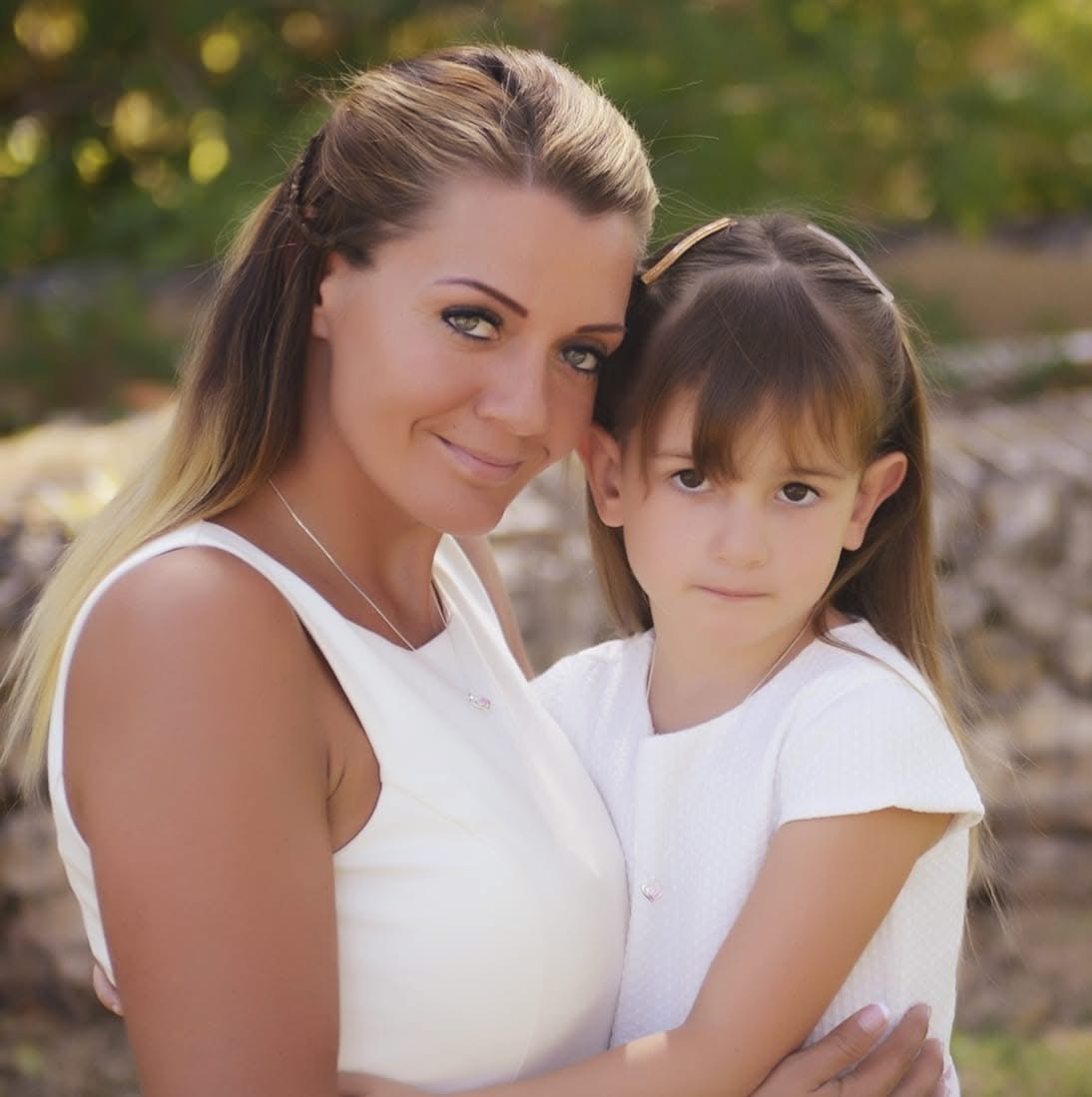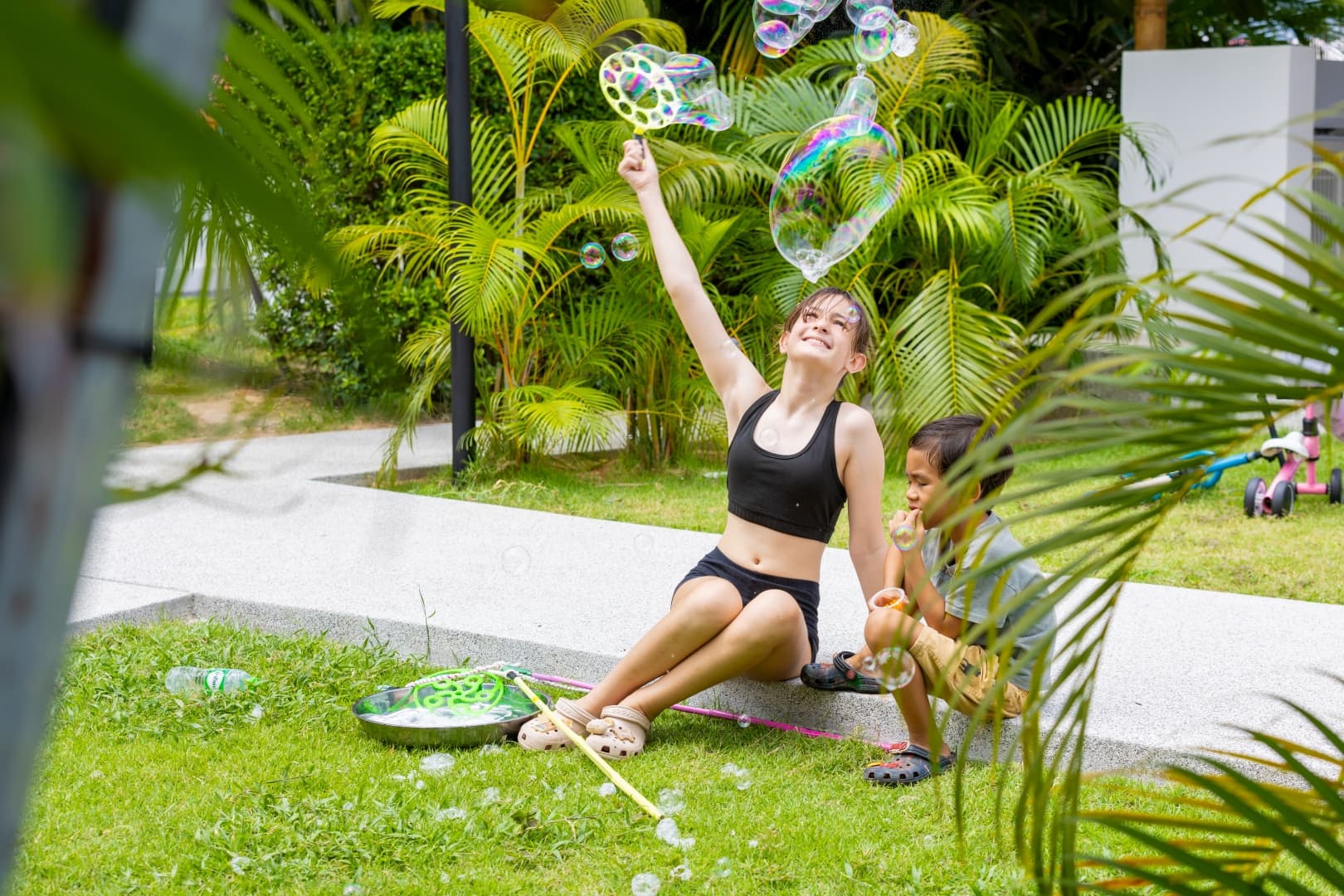
For children, a family hotel is a natural social playground. Unlike a school or a public park, everyone here is in the same "holiday mode" – relaxed, open, and looking for connection. Friends are found everywhere: splashing in the pool, queuing for pancakes at breakfast, or digging in the sand on the beach. The Kids Club is just one of many places where these connections deepen.
Table of Contents
- The Family Hotel Advantage
- Why Friends Are Everywhere
- The Language Barrier Myth
- How Shy Kids Open Up
- The Role of the Kids Club
- Why Parents Get Real Rest
- Common Mistakes to Avoid
- Simple Steps to Start
- Checklist for Social Play
- Socialization FAQ for families
Core Point: Connection is Easier Here
Socialization on vacation is different from school. It is short-term, high-intensity, and low-pressure. Children do not need to fit into a long-term hierarchy. They just need a playmate for now. This makes it easier to take small social risks: asking "Can I play?" is less scary when you know you are just building a sandcastle for an hour.
If your child stays effectively isolated with adults, they miss this unique "light" social practice. If they mix with peers – in the pool, at the restaurant, or in the club – the day feels balanced and boredom disappears.
The Family Hotel Advantage: Seeing Familiar Faces
The biggest advantage of a family-focused resort is the "village effect." Your child sees the same potential friends repeatedly throughout the day.
- Breakfast: They wave to the boy they saw at the pool yesterday while waiting for pancakes.
- Beach: They see the girl from the villa next door building a tunnel.
- Pathways: They pass each other on scooters or while walking to the restaurant.
- Evening Chill-out: Seeing the same families relaxing on beanbags after sunset creates familiarity.
- The Ice Cream Stop: Meeting while waiting for a treat creates an instant shared topic.
By the time they end up in the same space – like the Kids Club or the shallow end of the pool – they are not strangers anymore. This familiarity removes the hardest part of making friends: the first cold introduction.

The Language Barrier Myth
"But my child doesn't speak English." This is the number one worry we hear, and it is almost never a real problem.
Play is a universal language. Children under 8-10 years old rarely use complex verbal negotiation to start playing. They use:
- Demonstration: Holding out a block means "put this here."
- Imitation: Running and laughing means "chase me."
- Shared focus: Digging a hole together requires zero words.
- Physical Comedy: Making funny faces or clumsy movements works in every language.
- Rhythm: Clapping, stomping, or dancing together connects without vocabulary.
The Kids Club team is trained to bridge any gaps using gesture and tone, but usually, the children bridge it themselves within minutes.
How Shy Kids Open Up
In a family hotel, there is no pressure to "perform" socially. If a child wants to watch, they watch. This low-pressure environment often helps shy children open up faster than they do at school.
A concept that helps is "Parallel Play": children playing separately but near each other. In our open spaces, a shy child can sit near a group drawing a picture, feeling included without having to speak. Often, another child will eventually ask for a color/marker, and a connection starts naturally.
The Kids Club staff acts as a quiet bridge. They might invite a shy child to help with a specific task ("Can you hold this?") rather than pushing them to "go play with the others."
The Role of the Kids Club
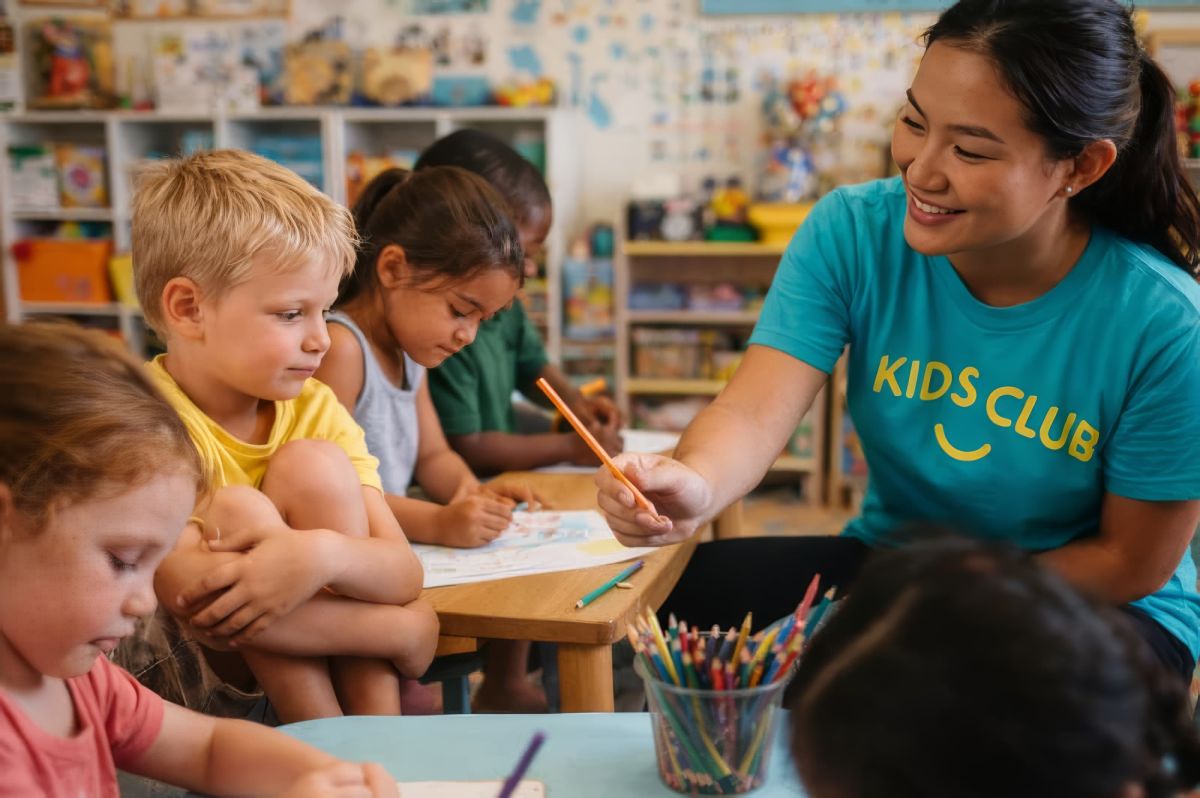
While friends are everywhere, the Kids Club acts as a reliable social hub. It is the place where the game is guaranteed to be happening. Unlike the pool (where other kids might leave for lunch), the club has a structure that keeps the play going.
It provides:
- Guided interaction: Staff help navigate turn-taking and sharing.
- New challenges: Crafts and games that require cooperation.
- Cool-down zones: A place to rest from the sun while still being with friends.
- Fair Play Enforcement: Staff ensure older kids don't dominate the younger ones.
- Creative Supplies: Access to paints, beads, and costumes you didn't pack in your suitcase.
- Social Rituals: Morning circles or goodbye songs create a sense of belonging quickly.
Research supports the value of this peer play: early competence in peer interaction is linked to better emotional health (PubMed longitudinal cohort summary).
Why Parents Get Real Rest
When your child finds a friend, you stop being the entertainer. The "Mom, watch this! Dad, play with me!" demands drop significantly. You transition from being the playmate to being the secure base – the person they run back to for a snack or a hug before returning to their game.
This allows you to actually finish a coffee, read a book, or have an uninterrupted conversation. It is not about abandoning your child; it is about widening their circle so you can recharge.
Common Mistakes to Avoid
- Hovering too close: If you stay right next to your child in a social space, other kids might see them as "taken" by an adult. Sit nearby, but give them a few meters of social space.
- Solving conflicts too fast: If two kids want the same shovel, wait 30 seconds before jumping in. Often, they trade or find a solution. If not, the staff will guide them.
- Forcing introductions: "Go say hello to that boy" can backfire. Let them observe first.
- Ignoring energy levels: A tired child is a socially rigid child. Don't push for socialization just before nap time or after a long flight.
For more on choosing the right environment, read about why the size of a kids club matters.
Simple Steps to Start
Don't overthink it. Just go to the shared spaces.
- The Pool Test: Go to the shallow end. If your child looks at another child, smile at the other parents. This signals "it's okay to play."
- The Club Visit: Visit the activity room together. Let your child see the toys and the staff without leaving them there immediately.
- The "Extra Shovel" Strategy: Bring two sets of beach toys. Use the extra one as an unspoken invitation for others to join.
- The Evening Event: Attend a movie night or mini-disco together. The low-pressure environment makes sitting next to new friends easy.
- The Short Separation: Once they are comfortable, leave for 20 minutes. "I'm going to get a coffee right there, I'll be back soon." Trust is built on returning when you say you will.
If you need specific details on our facilities, check our Kids Club page.
Last reviewed: February 12, 2026. Editorial context: Maya Resort Samui Family Journal, focused on distinct family experiences on Samui.
Checklist for Social Play?
(A quick check ensures nothing interrupts the fun)
- [ ] Sun protection: Hat and SPF applied (social play often moves outside).
- [ ] Hydration: Water bottle (running around with friends is thirsty work).
- [ ] Contacts: Ensure the staff or other parents (if casual play) know where you are sitting.
- [ ] Timing: Agree on a "check-in" time if your child is older.